
How to Winterize a Sprinkler System: A Step-by-Step Homeowner Guide
When most homeowners think about winter prep, they picture holiday lights, patio furniture covers, and maybe a space heater that only works when it feels like it. What often gets overlooked is the sprinkler system quietly sitting underground, still holding water and waiting for the first cold night to cause expensive problems.
Winterizing your sprinkler system is one of the smartest steps you can take to protect your landscape investment. Even in Tucson, AZ, where winters are usually mild, temperatures can drop just enough to freeze leftover water inside irrigation lines. When water freezes, it expands, and that expansion can crack pipes, damage valves, and turn spring startup into a repair nightmare.
This step-by-step guide breaks down how to winterize a sprinkler system safely, what tools you need, common mistakes to avoid, and when calling a professional makes more sense. It is written for real homeowners, not irrigation engineers, and includes a few light laughs along the way.
Why Winterizing Your Sprinkler System Is Worth the Effort
Many homeowners assume winterizing is only necessary in cold climates. Tucson winters may not bring snowdrifts, but overnight freezes happen more often than people expect. When water remains trapped inside your sprinkler system, even a short freeze can cause damage that stays hidden until spring.
The biggest reason to winterize a sprinkler system is protection. Underground pipes, backflow preventers, valves, and sprinkler heads are all vulnerable to freezing temperatures. When water freezes, it expands with impressive determination. Pipes do not win that argument.
Winterizing also saves money. Small cracks caused by freezing often go unnoticed until the system is turned back on. That is when leaks appear, pressure drops, and entire zones stop working. Repairs cost far more than preventative winter care.
There are also long term benefits. A properly winterized sprinkler system lasts longer, performs better, and avoids unnecessary wear. It also makes spring startup easier since you are not troubleshooting problems caused months earlier.
Here is what winterizing helps prevent:
- Cracked pipes and fittings that lead to underground leaks
- Broken sprinkler heads caused by trapped water freezing
- Damaged valves and backflow devices
- Higher water bills from hidden leaks
- Frustration in spring when the system does not work as expected
Winterizing your sprinkler system is not about overreacting to cold weather. It is about being prepared and protecting something you rely on year after year.
Tools and Preparation Before Winterizing a Sprinkler System
Before you begin winterizing, preparation matters. Rushing into the process without the right tools or plan can lead to mistakes that damage your sprinkler system instead of protecting it.
First, identify the type of sprinkler system you have. Some systems have manual drain valves, while others require compressed air to remove water. Knowing this upfront prevents confusion later.
Here are the most common tools and items homeowners need:
- Access to the main water shutoff for the sprinkler system
- Air compressor with adjustable pressure if blowing out the system
- Blowout adapter that fits your system’s connection
- Safety glasses to protect your eyes from debris or water spray
- Basic hand tools for opening drain valves or removing caps
- Owner’s manual or system layout if available
Preparation also includes timing. Winterizing should be done before the first hard freeze, not after. Waiting until the weather drops below freezing increases the risk that damage has already started.
Finally, understand your limits. Some
sprinkler systems are simple. Others are complex with multiple zones, pressure regulators, and customized layouts. Knowing when to stop and call a professional is part of doing this safely.
Step-by-Step Guide to Winterizing a Sprinkler System
Winterizing a sprinkler system can be done in a few different ways depending on the system design. The most common and effective method is using compressed air to blow water out of the lines.
Step 1 Turn Off the Water Supply
Locate the main valve that supplies water to the sprinkler system and turn it off completely. This prevents new water from entering the system during winterization.
Step 2 Shut Down the Controller
Turn off the sprinkler controller or set it to rain mode. This keeps the system from running accidentally while lines are empty.
Step 3 Open Manual Drain Valves
If your system has manual drains, open them and allow water to flow out naturally. This step alone does not remove all water, but it helps reduce volume.
Step 4 Connect the Air Compressor
Attach the compressor to the blowout port using the correct adapter. Make sure the connection is secure before introducing air.
Step 5 Set Safe Air Pressure
Keep pressure between 50 and 80 PSI. Higher pressure can damage sprinkler heads and pipes. More air does not equal better results.
Step 6 Blow Out One Zone at a Time
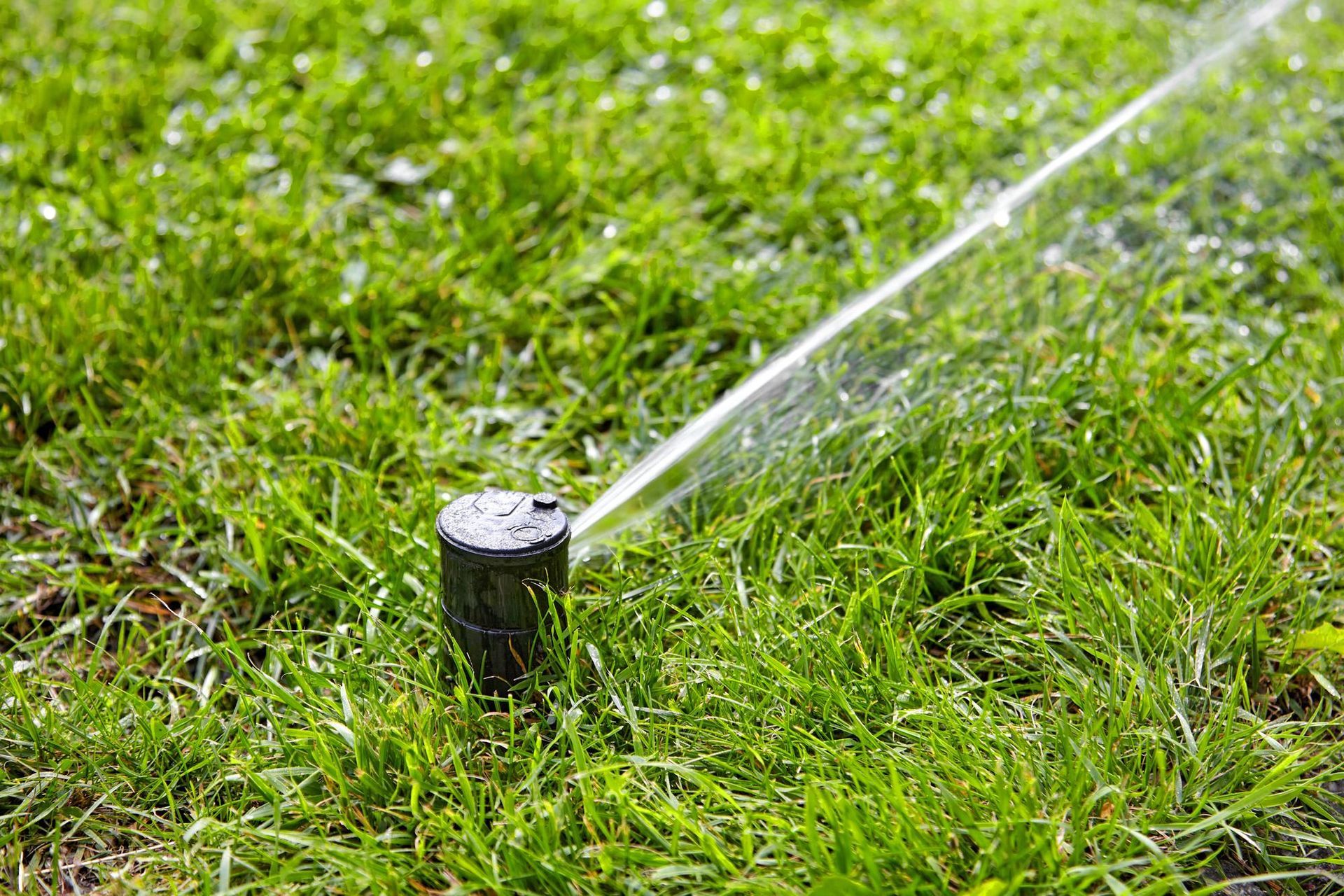
Activate each zone individually. Watch the sprinkler heads. Water will spray, then mist, then air. Once only air is coming out, move to the next zone.
Step 7 Repeat Until All Zones Are Clear
Continue through all zones until no water remains. Do not rush this process.
Step 8 Disconnect Equipment and Protect Components
Once finished, disconnect the compressor. Insulate exposed parts like backflow preventers if applicable.
Done correctly, this process removes water safely and protects your sprinkler system throughout the winter season.
Schedule Professional Sprinkler System Winterization in Tucson, AZ
Protect Your Irrigation System Before Cold Weather Arrives
If you want to ensure your sprinkler system is fully protected this winter, contact Twisted Palms Irrigation at (520) 808-5483. We provide professional sprinkler system winterization services throughout Tucson, AZ and the surrounding areas, helping homeowners avoid freeze damage and costly repairs.
In addition to sprinkler system services, we also offer
drip irrigation system solutions and
irrigation installation for new and existing landscapes. Whether you need winterization, repairs, or a system upgrade, our team delivers reliable service with local expertise. Call
(520) 808-5483 today and let us take care of your irrigation needs.
FAQs
Do I really need to winterize my sprinkler system in Tucson?
Yes. Even brief freezing temperatures can damage a sprinkler system if water remains in the lines.
Can I just drain my system instead of blowing it out?
Draining helps but usually does not remove all water. Blowing out the system is the most effective method.
How long does winterizing a sprinkler system take?
Most residential systems can be winterized in one to two hours depending on size and layout.
Is it safe to use my own air compressor?
Yes if it can maintain proper pressure and airflow. Small compressors are often not sufficient.
When should I winterize my sprinkler system?
Before the first expected freeze. Waiting too long increases the risk of damage.
Share Article
Our Resent Blog Articles