Introduction
As a homeowner in Tucson, Arizona, maintaining a lush and healthy lawn can be a rewarding yet challenging task. With the arid climate and water conservation measures that continue to shape 2026, efficient lawn irrigation has never been more crucial. This guide provides Tucson homeowners with a comprehensive list of the top seven lawn irrigation tips to help you optimize your system, conserve water, and keep your landscape thriving.
1. Understand Your Soil Type
Before setting up or adjusting your irrigation system, it's essential to understand the type of soil in your yard. Tucson's soil typically consists of clay, loam, or sand, each having different water absorption and retention capabilities. Conduct a simple soil test to determine its composition. This knowledge will help you tailor your watering schedule and ensure your lawn receives the right amount of moisture without wastage.
How to Test Your Soil
A basic DIY soil test can be conducted using a jar, water, and a bit of patience. Fill a jar with soil and water, shake it well, and let it settle. Over time, the different soil layers will separate, allowing you to assess the proportions of clay, silt, and sand.
2. Utilize Smart Irrigation Controllers
Smart irrigation controllers have become indispensable in 2026, offering homeowners the ability to manage watering schedules efficiently. These devices adjust watering times based on weather conditions, soil moisture, and plant needs, ensuring optimal water usage and reducing waste. Consider upgrading your traditional timer to a smart controller to enhance your lawn care routine.
Benefits of Smart Controllers
- Weather-based adjustments prevent overwatering.
- Remote control via smartphone apps for easy management.
- Potential savings on water bills due to efficient water use.
3. Optimize Your Sprinkler System Layout
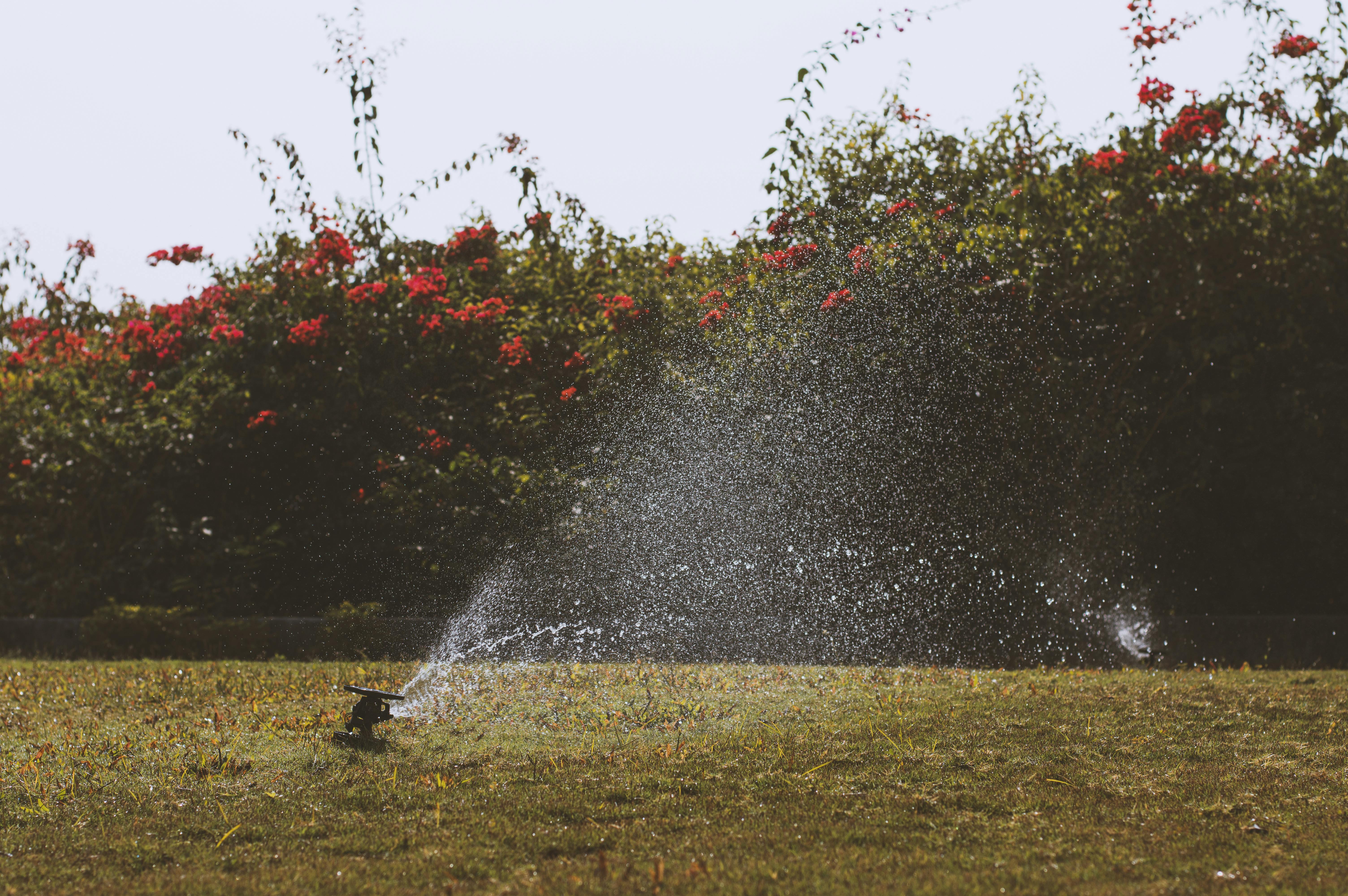
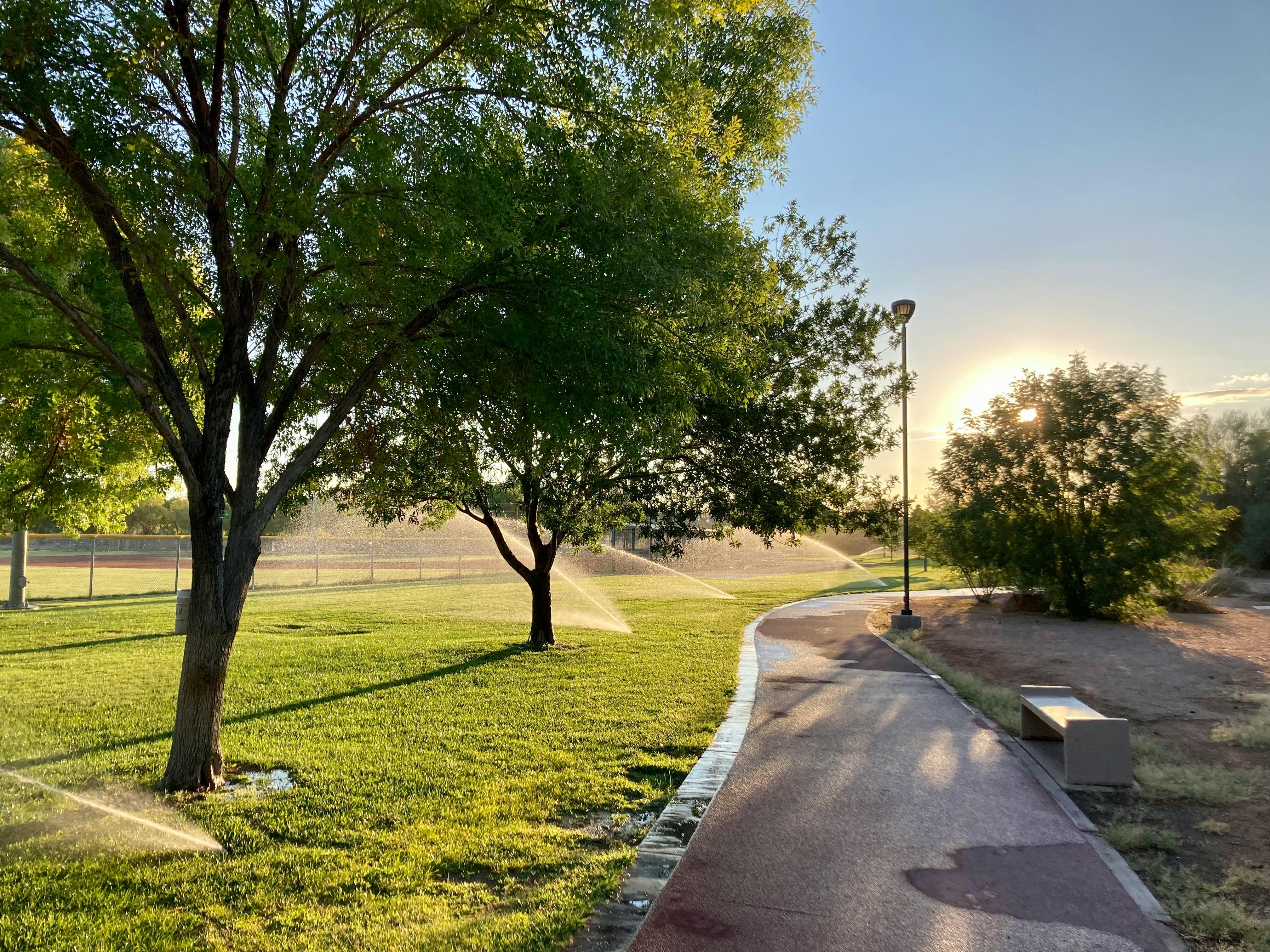
Improper sprinkler system layout can lead to inefficient watering and increased water bills. Ensure that your sprinklers are positioned to cover your lawn evenly without overlapping or leaving dry spots. Regularly inspect and adjust sprinkler heads to maintain the correct arc and avoid watering sidewalks or driveways.
Tips for System Layout
- Use a string line or a garden hose to outline your lawn's perimeter and plan the placement of sprinkler heads.
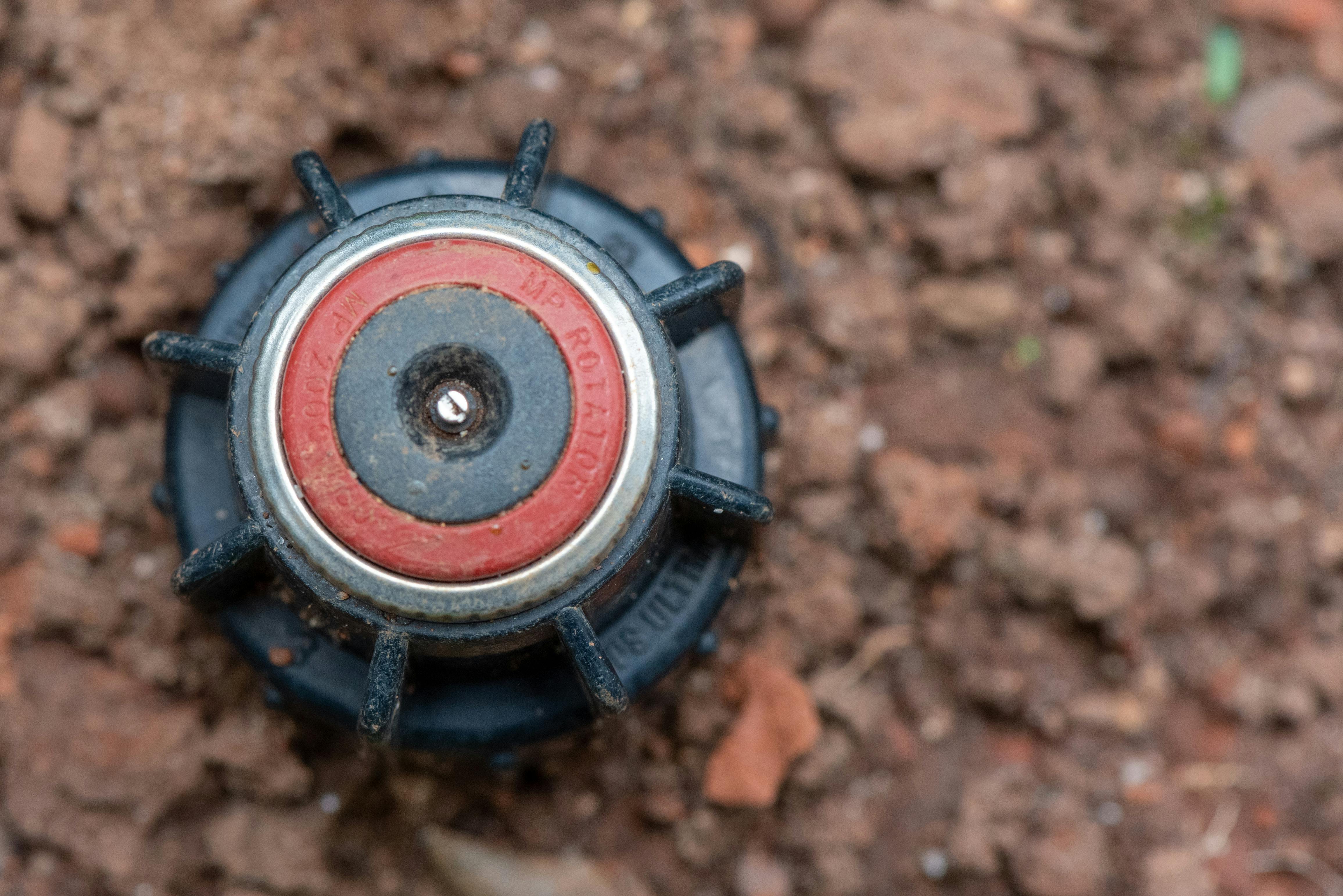
- Choose the right type of sprinkler heads for different areas: rotors for large areas and spray heads for smaller patches.
4. Schedule Watering During Optimal Times
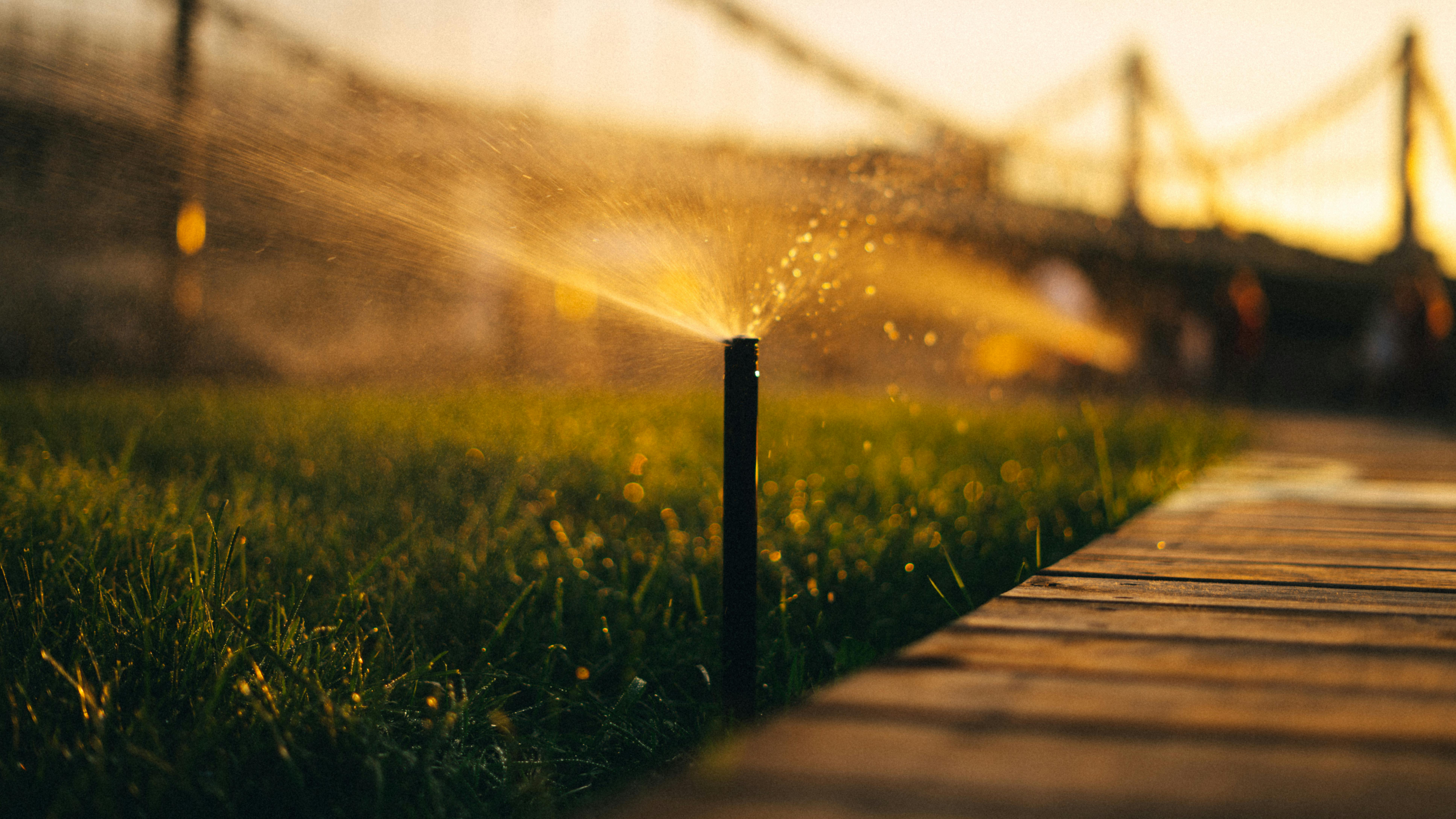
Watering your lawn during the early morning or late evening helps minimize evaporation and ensures that more moisture reaches the root zone. Avoid watering during peak afternoon heat as this leads to significant water loss. In Tucson, the best times for irrigation are before 9 a.m. or after 6 p.m.
Consider Local Restrictions
Be mindful of any local watering restrictions or guidelines that may be in place to promote water conservation. Adhering to these regulations not only helps the environment but also avoids potential fines.
5. Implement Drip Irrigation for Specific Areas
For garden beds, trees, and shrubs, consider using drip irrigation systems. These systems deliver water directly to the plant roots, minimizing evaporation and runoff. Drip irrigation is particularly beneficial for Tucson homeowners as it maximizes water efficiency while providing targeted hydration.
6. Regularly Inspect and Maintain Your System
Routine inspections of your irrigation system help prevent leaks, blockages, and other issues that can lead to water wastage. Check for broken or clogged sprinkler heads, leaks in the hoses, and ensure that the system is functioning correctly. Regular maintenance keeps your system running efficiently and extends its lifespan.
Maintenance Checklist
- Inspect sprinkler heads for damage or clogs.
- Check for leaks in pipes and hoses.
- Adjust sprinkler heads for proper coverage and pressure.
7. Embrace Xeriscaping for Water Conservation
Xeriscaping involves designing landscapes to reduce or eliminate the need for irrigation. By incorporating drought-resistant plants, mulch, and efficient irrigation practices, you can maintain a beautiful yard while conserving water. In Tucson, this approach not only aligns with environmental goals but also creates a visually appealing landscape that thrives in arid conditions.
Key Elements of Xeriscaping
- Choose native plants that are adapted to the local climate.
- Use mulch to retain soil moisture and reduce evaporation.
- Design with water-efficient plants and structures.
Conclusion
Navigating the challenges of lawn irrigation in Tucson requires a strategic approach that considers local climate conditions and water conservation goals. By understanding your soil, utilizing smart technology, optimizing your system layout, and embracing sustainable practices like xeriscaping, you can achieve a thriving lawn while preserving precious water resources. For personalized advice and professional lawn irrigation solutions, contact Twisted Palms Irrigation & Plumbing, your trusted partner in Tucson's landscaping success.