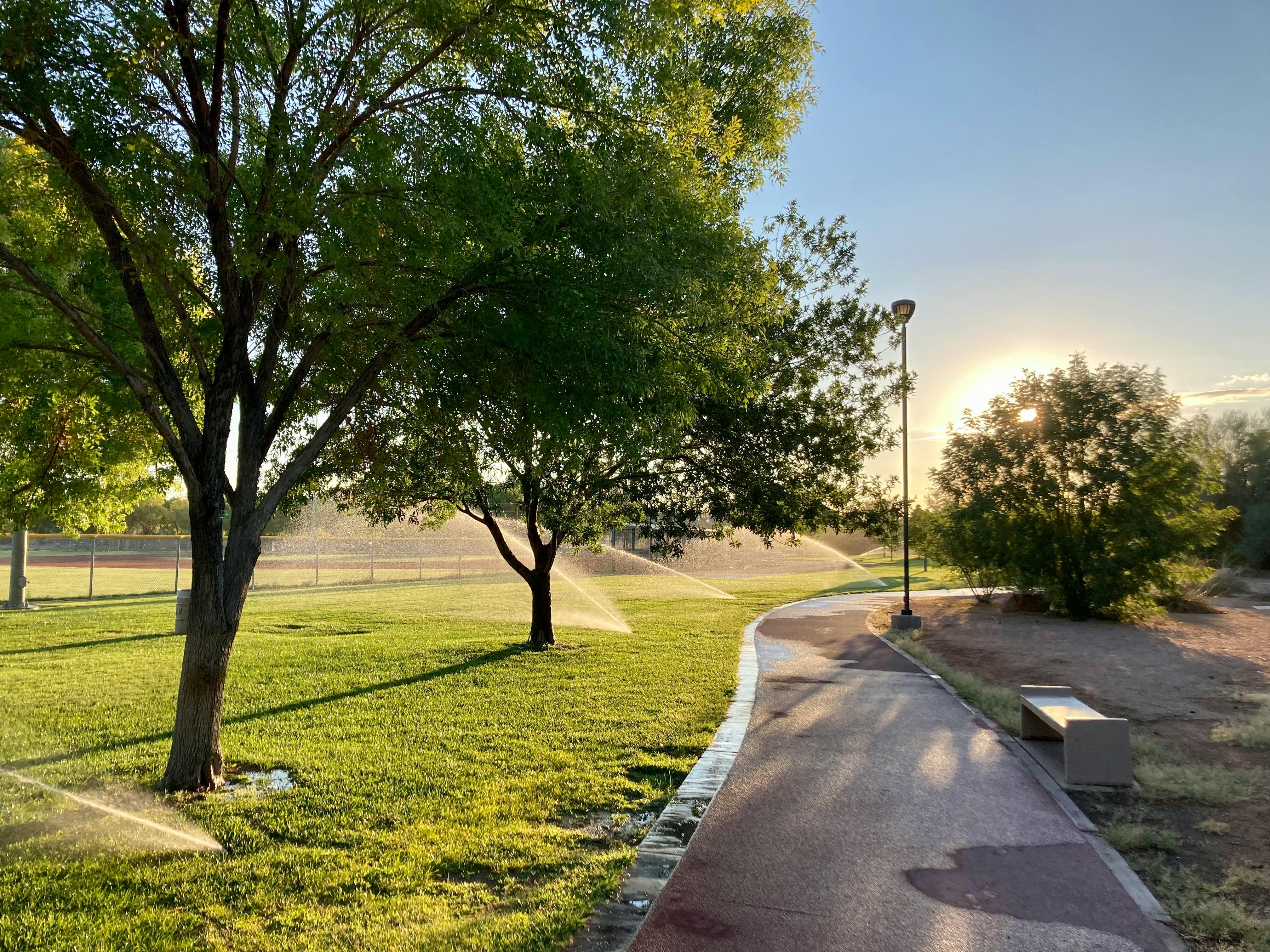
Understanding Tucson's Unique Climate
Tucson, Arizona, is renowned for its distinct desert climate, characterized by hot summers, mild winters, and two prominent rainy seasons. For homeowners, understanding these climatic nuances is crucial for effective irrigation planning. With the right strategies, you can ensure your lawn and garden not only survive but thrive throughout the year.
The Seasonal Breakdown
To tailor your irrigation approach, it's essential to break down Tucson's climate into its four distinct seasons and understand their impact on water needs.
- Spring (March to May): As temperatures gradually increase, so do the water needs of your plants. Spring is the perfect time to inspect your irrigation system for any winter damage. Ensure your sprinklers are functioning optimally to prepare for the hotter months ahead.
- Summer (June to September): With temperatures often exceeding 100°F, summer demands the most from your irrigation system. This is also the season of Tucson's monsoon rains. Adjust your watering schedule to account for natural rainfall, conserving water and preventing overwatering.
- Fall (October to November): Cooler temperatures mean reduced evaporation rates. This is the ideal time to adjust your irrigation schedule to water less frequently while maintaining healthy lawn moisture levels.
- Winter (December to February): With the coldest temperatures of the year, plant growth slows significantly. This is the time to scale back your irrigation, ensuring you’re not wasting water on dormant plants.
Optimizing Your Irrigation System for Each Season
Spring Preparations
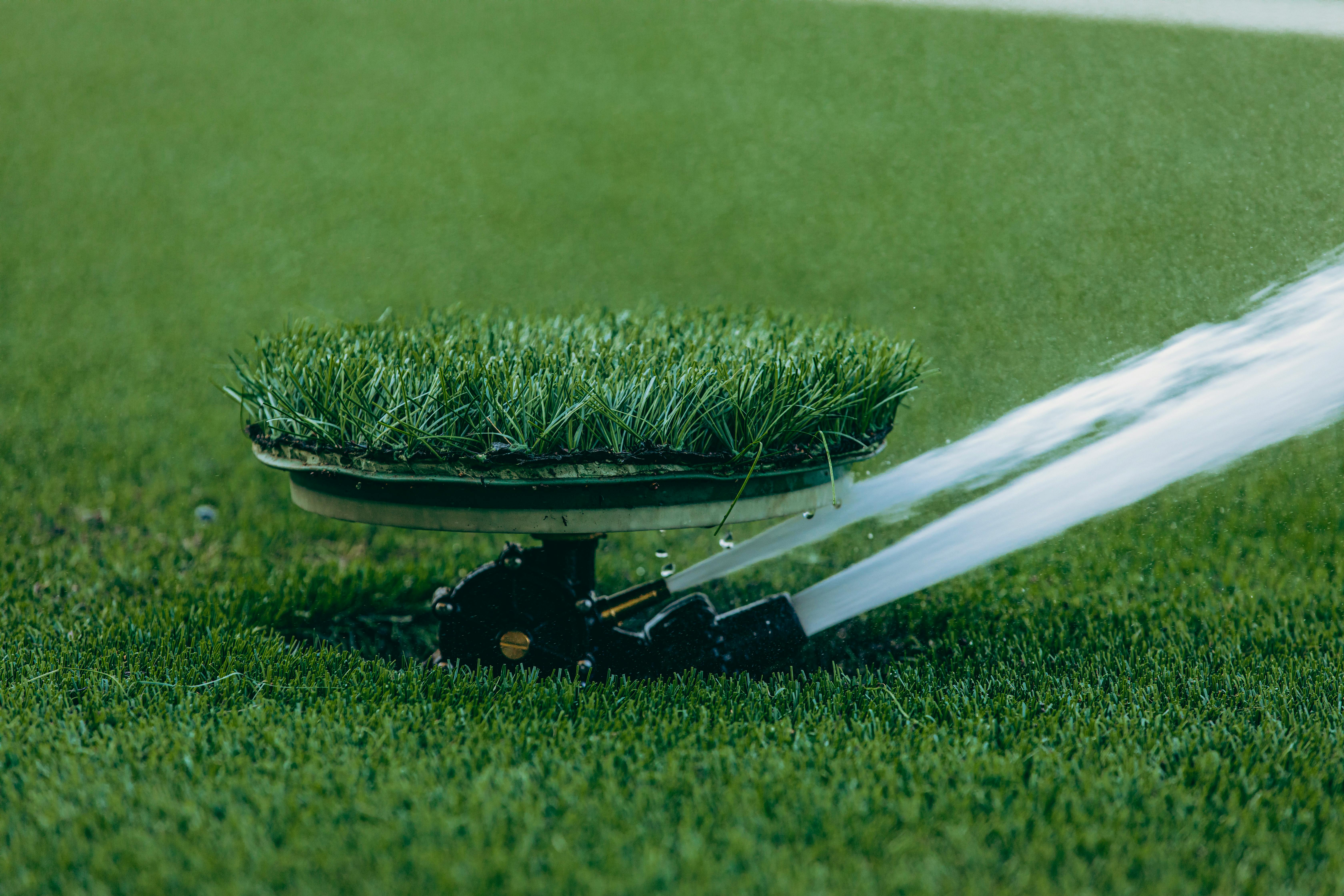
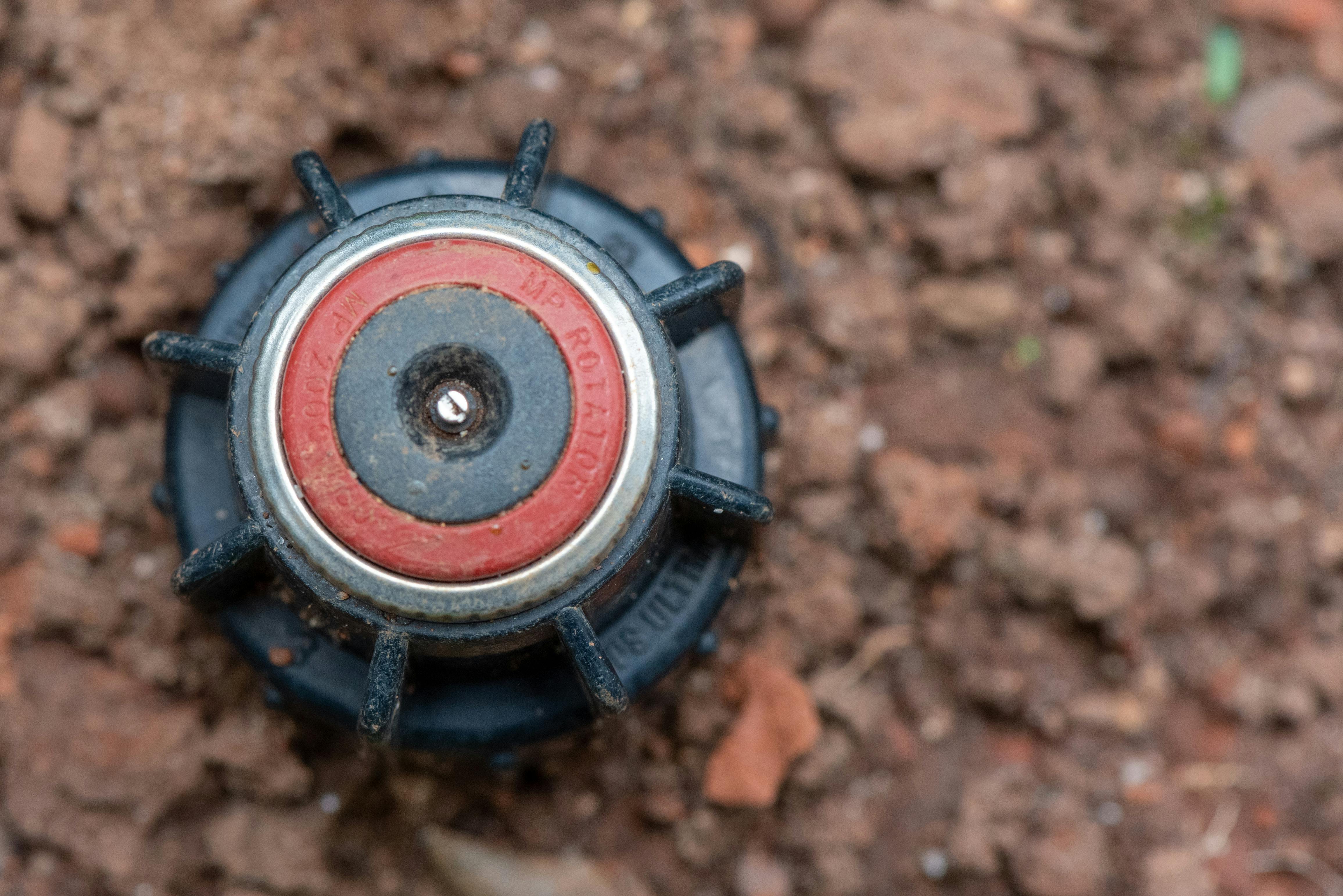
Spring is a time of renewal, making it perfect for a thorough inspection of your irrigation system. Check for leaks, clogs, and ensure sprinkler heads are aimed correctly. Consider upgrading to smart irrigation controllers that automatically adjust watering based on weather conditions.
Summer Efficiency
During summer, water conservation is key. Utilize drip irrigation for gardens and flower beds, which minimizes evaporation by delivering water directly to the roots. Moreover, water your lawn early in the morning to reduce evaporation and ensure your plants receive the moisture they need before the day heats up.
Fall Adjustments
As temperatures cool, reduce watering frequency but maintain deep watering sessions to encourage root growth. This prepares your lawn for the upcoming winter and helps it withstand the arid conditions of Tucson.
Winter Conservation
In winter, it's vital to avoid overwatering. Plants are largely dormant, and excessive moisture can lead to root rot. Consider shutting off your irrigation system during periods of rain and adjusting your schedule to only water when necessary.
Addressing Common Seasonal Challenges
Each season presents unique challenges for Tucson homeowners. Here are some solutions to common issues:
- Monsoon Flooding: Ensure proper drainage to prevent waterlogging during monsoon season. Consider rain sensors that pause your irrigation system during rainy spells.
- Winter Freeze: Protect your pipes from freezing temperatures by insulating exposed pipes and using freeze-proof spigots.
- Summer Drought: Implement xeriscaping techniques to reduce water usage and maintain a beautiful landscape with drought-resistant plants.
Expert Tips for 2026 and Beyond
Stay ahead of the curve by implementing the latest irrigation technologies available in 2026. Smart systems that integrate with weather apps can provide precise watering schedules, saving you time and resources. Additionally, participating in local workshops and events can keep you informed about the best practices tailored for Tucson's unique environment.
Conclusion
By understanding and adapting to Tucson's distinct seasonal changes, you can optimize your irrigation efforts, ensuring a lush and healthy landscape year-round. Whether you're a new homeowner or an experienced gardener, staying informed and proactive is the key to success. Embrace the latest innovations and tailor your approach to the seasons for a thriving, water-efficient garden in 2026.