Introduction to Irrigation in Tucson
Tucson's unique desert climate presents specific challenges and opportunities for homeowners looking to maintain lush and sustainable landscapes. As we step into 2026, understanding the basics of irrigation systems is more crucial than ever for conserving water and ensuring plant health. This guide is designed for beginners who want to grasp the fundamentals of irrigation and make informed decisions for their Tucson homes.
Understanding Tucson's Climate and Its Impact on Irrigation
Tucson's arid climate is characterized by hot summers and mild winters, with annual rainfall averaging around 12 inches. These conditions necessitate efficient irrigation systems to maintain healthy gardens and lawns without wasting water. The increasing focus on sustainability in 2026 means homeowners must consider both ecological and economical factors when installing or upgrading irrigation systems.
Types of Irrigation Systems
Understanding the different types of irrigation systems available is the first step in choosing the right one for your needs. Here are the most common types:
Drip Irrigation
Drip irrigation is highly efficient, delivering water directly to the plant's root zone. This minimizes evaporation and runoff, making it ideal for Tucson's dry conditions. In 2026, advancements in drip technology have made it more accessible and easier to install, even for beginners.
Sprinkler Systems
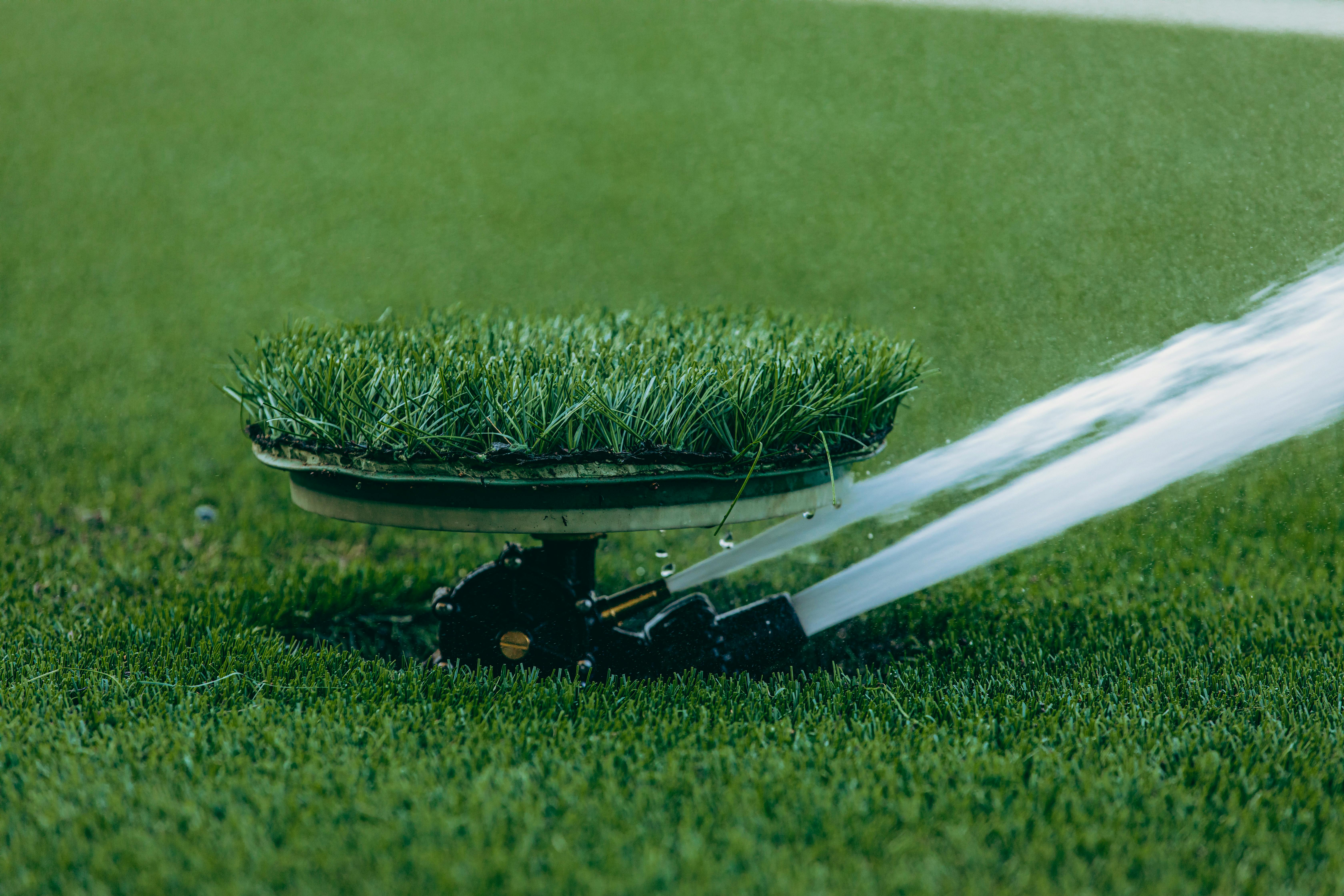
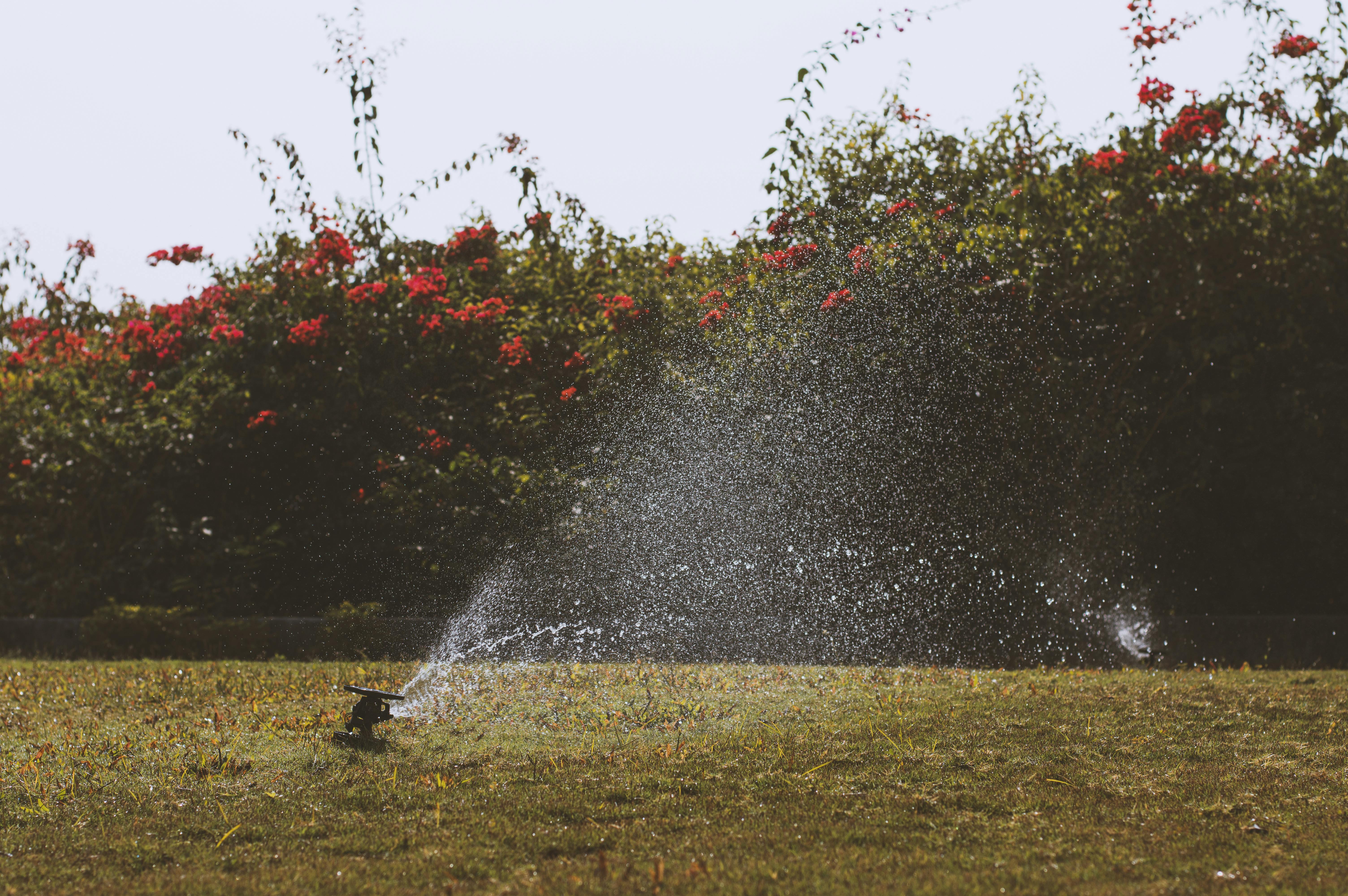
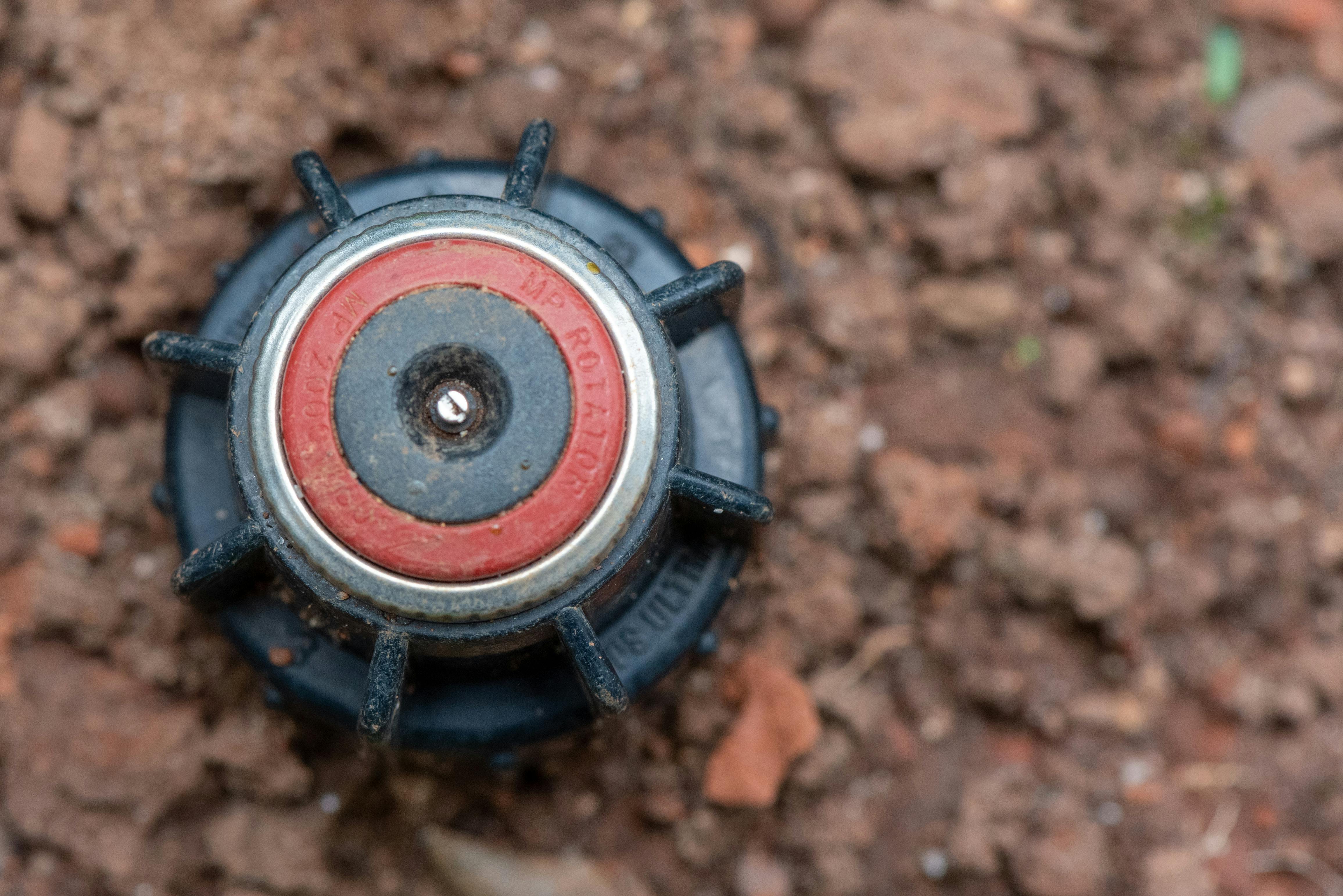
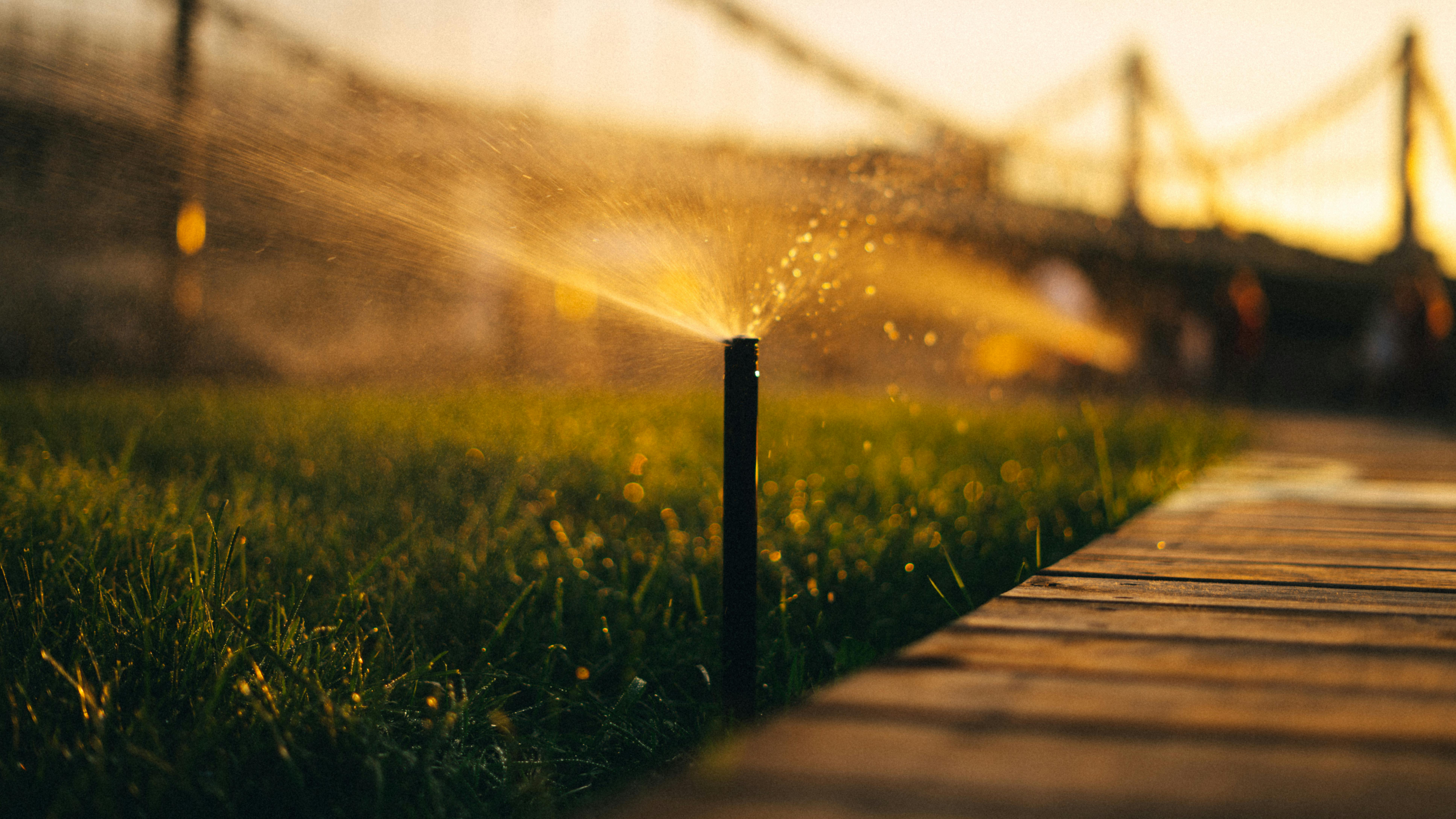
Sprinkler systems are popular for covering large areas. They can be programmed to operate at optimal times, such as during the early morning or late evening, to reduce water loss through evaporation. Modern systems now come with smart controllers that adjust watering schedules based on weather forecasts and soil moisture levels.
Soaker Hoses
Soaker hoses are porous hoses that allow water to seep directly into the soil, ideal for garden beds and hedges. They are simple to set up and require minimal maintenance. In 2026, eco-friendly materials and improved designs have increased their efficiency and longevity.
How to Choose the Right System for Your Home
Choosing the right irrigation system depends on several factors, including the size of your garden, the types of plants you have, and your budget. Here are some tips to help you decide:
- Assess Your Landscape: Consider the size and layout of your garden. Drip systems are best for complex landscapes, while sprinkler systems suit larger lawns.
- Understand Plant Needs: Different plants have varying water requirements. Native plants often need less water, while exotic species may require more.
- Consider Your Budget: While initial costs can be a concern, investing in a quality system can save money in the long run by reducing water waste and maintenance.
Installation Basics for Beginners
Installing an irrigation system may seem daunting, but with a little guidance, it can be a manageable DIY project. Here’s a step-by-step overview:
Planning Your System
Start by mapping out your garden and identifying areas that need irrigation. Determine the water pressure and flow rate to ensure the system can deliver adequate water. Online tools and apps available in 2026 can assist with these calculations.
Gathering Materials
Make a list of the required materials, including pipes, hoses, emitters, and connectors. Many local stores in Tucson offer starter kits that include everything you need.
Installation
Begin by laying out the main lines and connecting them to your water source. From there, install the emitters or sprinklers, ensuring they cover all necessary areas. Test the system to check for leaks and ensure even coverage.
Maintenance Tips for Efficient Operation
Regular maintenance is key to maximizing the lifespan and efficiency of your irrigation system. Here are some tips:
- Check for Leaks: Regularly inspect your system for leaks, which can lead to water waste and increased costs.
- Adjust Seasonally: Modify your watering schedule based on seasonal changes. Use smart controllers to automate this process.
- Clean and Clear: Keep emitters and nozzles clean to prevent clogging. Remove debris and sediment buildup periodically.
Conclusion: Embrace Sustainable Irrigation in 2026
As Tucson continues to embrace sustainability in 2026, understanding the basics of irrigation is more important than ever for homeowners. By choosing the right system and maintaining it properly, you can enjoy a vibrant garden while conserving water and reducing your environmental impact. For personalized advice or professional installation, consider reaching out to local experts like Twisted Palms Irrigation.
For more information and tailored solutions, visit our website or contact us directly.